Tesla & EV Window Tint
EVs and ADAS-equipped cars need the right film, not just a dark one. We install non-metallized ceramic tint that's safe for Autopilot, GPS, and every camera on the car.
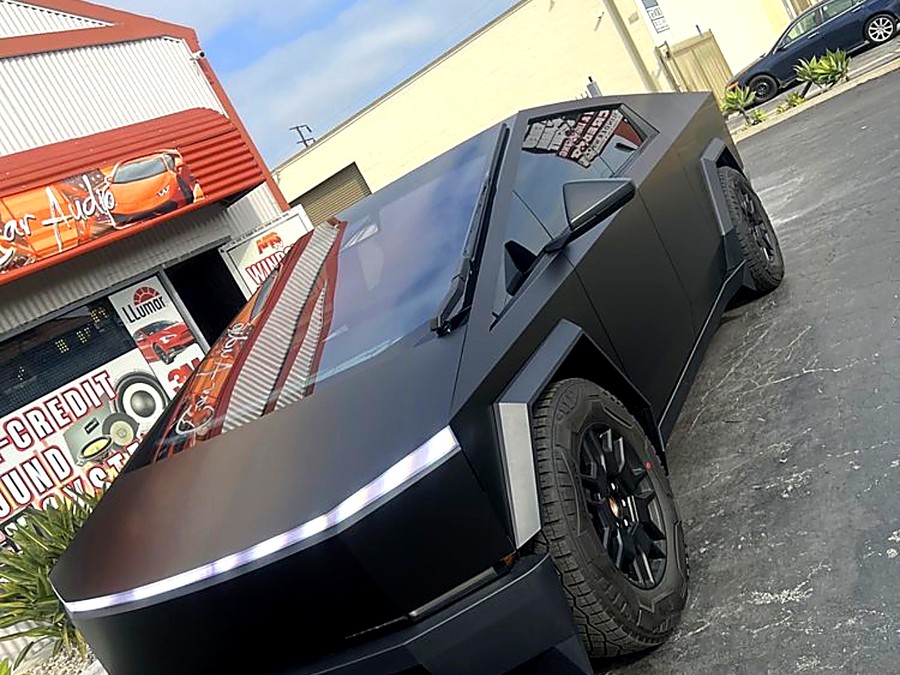
Non-metallized ceramic film causes zero interference with Autopilot cameras, GPS, or cellular signal. Metalized film is the one to avoid on any EV or ADAS-equipped car.
Your AC pulls from the same battery as the motor. Less solar heat getting into the cabin means the compressor works less, which can help preserve range on hot Los Angeles days.
Tesla's panoramic glass roof lets in a lot of heat and UV. Ceramic film cuts both without the interference risk that comes with cheaper metalized tint.
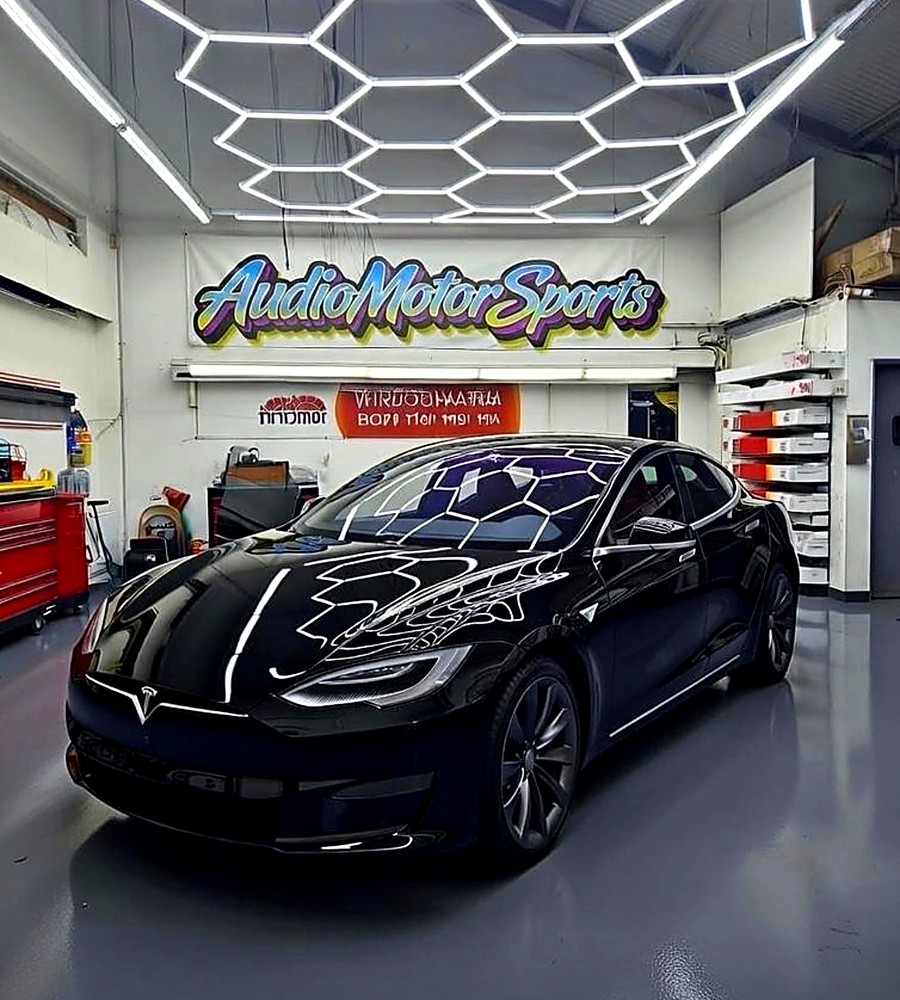
Every EV, Covered
Whatever you're driving electric, the same rule applies: non-metallized ceramic film keeps every sensor and camera working the way it should, while cutting the heat and UV coming through the glass.
FAQ
Not if it's the right film. Non-metallized ceramic tint like 3M Ceramic IR causes no interference with Autopilot cameras, GPS, or cellular signal. Metalized films are the problem — their metal particles can block sensor signals, which is why we only use non-metallized ceramic film on Tesla and other camera-equipped vehicles.
Indirectly, yes. Your air conditioning draws from the same battery pack as the motor. Ceramic tint reduces the solar heat entering the cabin, so the AC compressor works less to keep you cool, which can help preserve range on hot days.
Yes. Ceramic film is a popular choice for Tesla's large glass roof specifically because it blocks a significant amount of heat and UV without the signal interference risk of metalized film.
Yes. Tinting near camera housings and sensor zones takes precision so the vehicle's safety systems keep working correctly after install — this is exactly the kind of work that should be done by a professional installer, not a DIY kit.
We'll tint it with a film that keeps every sensor and camera working right.

 Audio MotorSports